New / Unworn
Never used. May arrive with original protective films and packaging as supplied to us.
Your bag is empty
One-of-one pieces move quickly — the archive is always changing.
Browse the collectionSeven grades, one definition each — the same vocabulary on every piece in the archive.
Where a category needs its own vocabulary — handbags, watches, clothing — the examples say so.
Never used. May arrive with original protective films and packaging as supplied to us.
Previously owned yet essentially indistinguishable from new on close inspection.
Minimal signs of careful use — visible only under close inspection, never at arm’s length.
A well-preserved pre-owned piece showing light, expected evidence of previous use.
Honest wear consistent with regular use. Every mark is photographed and listed in the description.
Noticeable wear or a flaw that defines the price. Fully disclosed, and often a deliberate collector’s choice.
Offered for restoration, parts or study. All faults are documented without restoration by us.
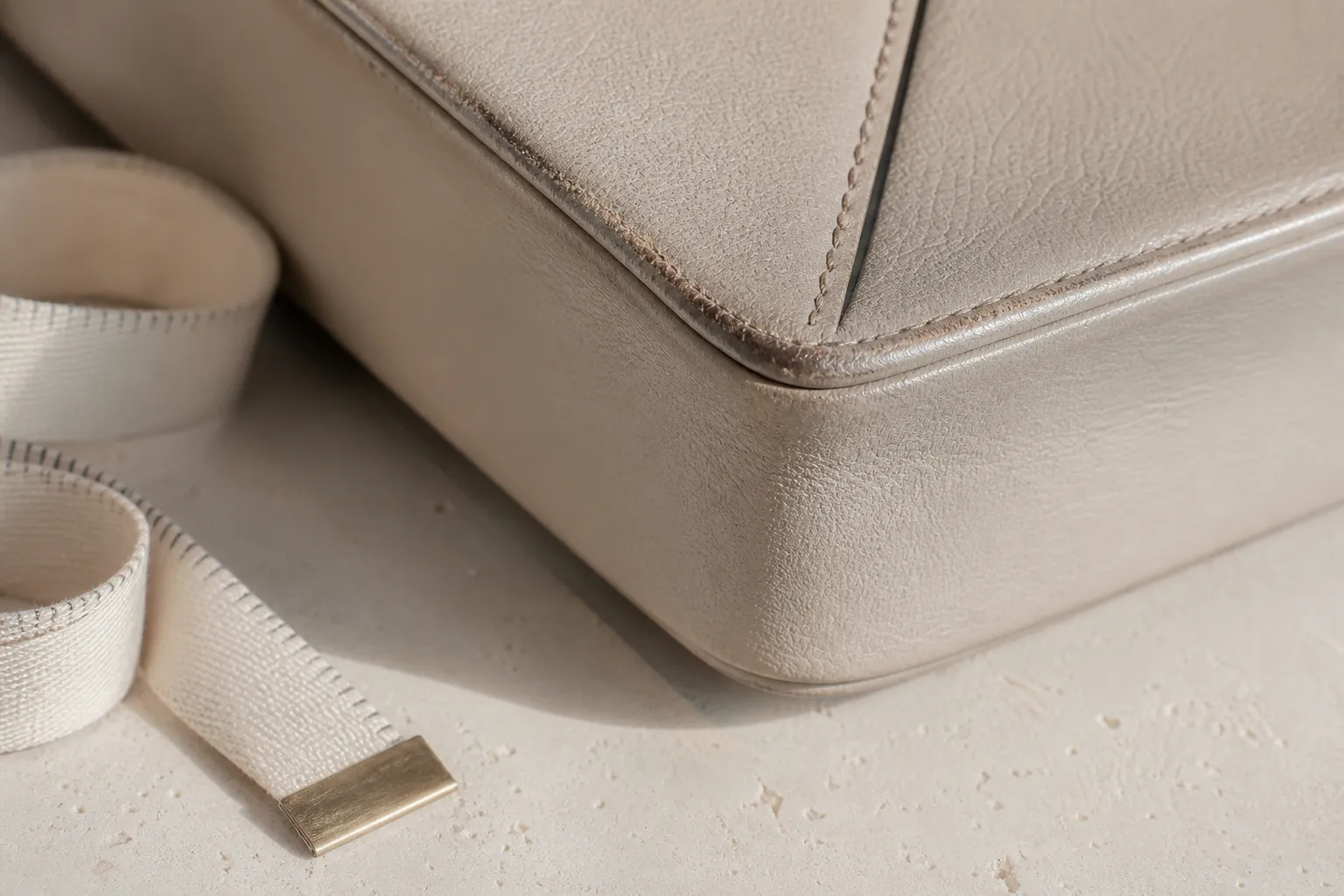
A grade is given after a full inspection — never from photographs alone. Every mark that shaped it is photographed and written into the description.
Every piece is inspected in hand before it is listed — materials, construction, hardware, markings and provenance. Replace this with your own process, and say plainly what authentication can and cannot establish.
Each grade has one definition, used on every piece. The condition guide sets them out with examples for bags, watches and clothing.